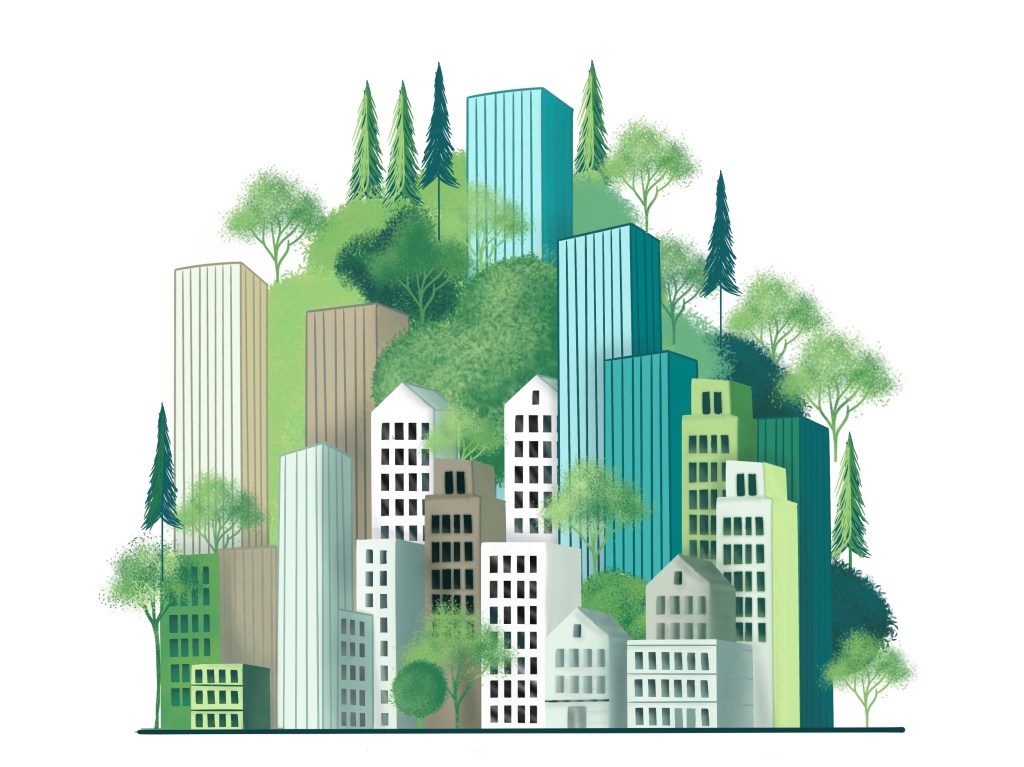
Have you ever wondered why, as humans, we believe creation requires destruction? Think about it – we tear down old buildings to build new ones, we cut down trees to clear space for cities, and sometimes, we even destroy parts of ourselves in the process of growth. It’s almost as if we believe that the only way to create something new is by leaving something behind.
But what if that isn’t the only way? What if instead of destruction, we embraced transformation?
Take a look at some of the greatest works of human creativity: art, music, poetry, inventions. They aren’t built by destroying what came before them. Instead, they are shaped by the magic of transformation – taking what already exists and turning it into something new, something better.
For example, think about architecture. We don’t always have to demolish an old building to create a new one. We could repurpose materials, take apart old structures and reuse them, breathing new life into what’s already there. Frank Lloyd Wright’s innovative designs, like the organic architecture of Fallingwater, are great examples of integrating the environment into the structure, making something timeless without the need for wasteful destruction.
Similarly, sustainability pioneers like Patagonia, with their Worn Wear program, show us that creating something new doesn’t have to mean destroying something else. They’ve mastered the art of upcycling and reducing environmental impact while maintaining the quality of their products. And innovators like Ashay Bhave, who turns plastic waste into shoes, prove that we can take trash and transform it into something meaningful and beautiful.
The truth is, whether it’s in our cities, our ecosystems, or even ourselves – we don’t need to destroy in order to create. We can transform. By focusing on transformation over destruction, we can build a world that nurtures growth while preserving the past.
I believe the future of innovation lies in this principle of transformation – reimagining what already exists, finding new purposes, and breathing new life into the old. Imagine the possibilities if we all started thinking this way.
References:
- Patagonia’s Worn Wear Program – A perfect example of reducing waste and breathing new life into clothing. [Patagonia Worn Wear](https://www.patagonia.com/worn-wear/)
- – Ashay Bhave’s Plastic to Shoes Innovation – Creating fashion from waste. [Ashay Bhave Shoes](https://www.ashaybhave.com/)
- – Frank Lloyd Wright’s Organic Architecture – Blending human creations with the natural world. [Frank Lloyd Wright Foundation](https://www.franklloydwright.org/)
- – The adaptive reuse of old warehouses, like the conversion of industrial spaces into apartments in cities like New York and London. [Adaptive Reuse Resources](https://www.docomomo-uk.org/)
- – Upcycling Projects – Turning old materials into new art or functional products. [Upcycling Ideas](https://upcyclethat.com/)
 Barbora Cizkovska
Napsat komentář