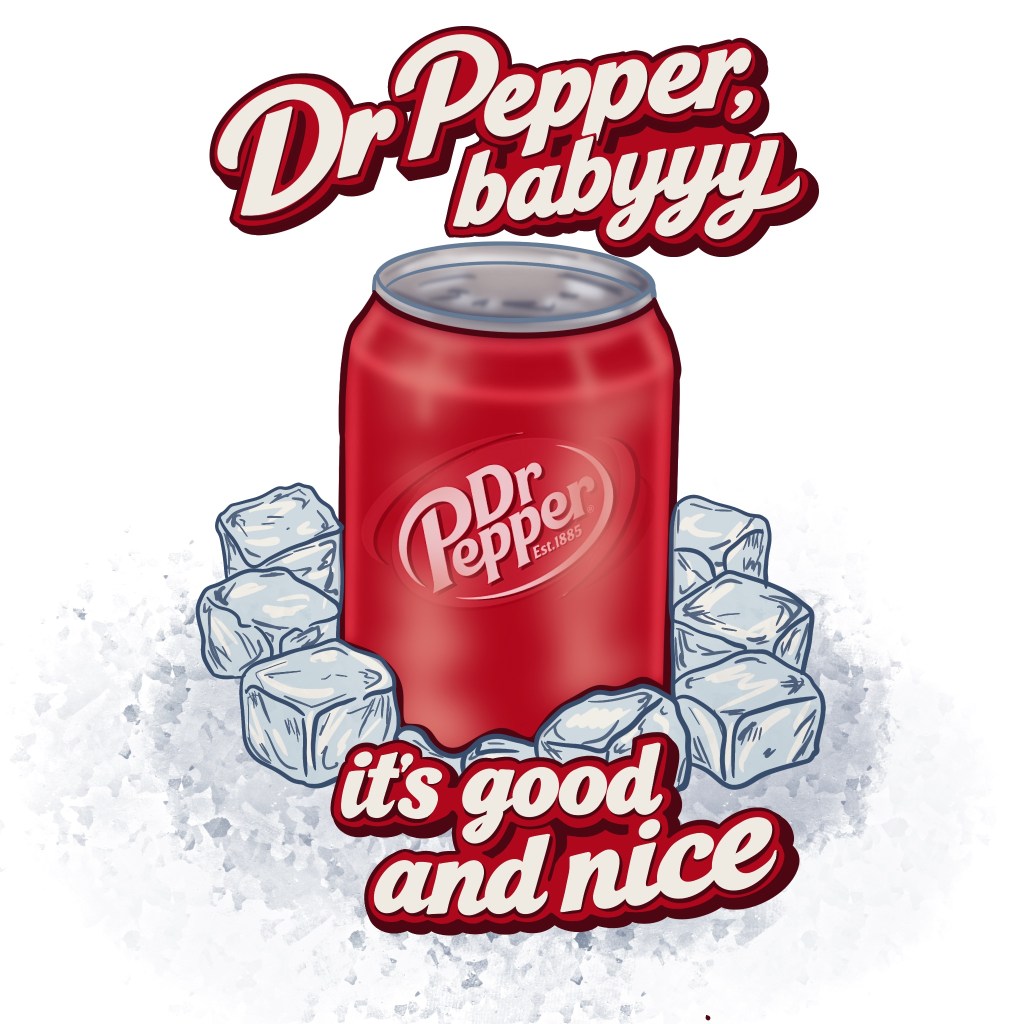
- Where the Trend Started
- How the Community Built on It
- Why It Worked
- When a Brand Notices, but Doesn’t Join
- What Participation Can Look Like
- What Smaller Brands Can Learn From This
- Conclusion
From a small TikTok moment – a funny, impulsive jingle from a creator, @romeo – a trend emerged. With no plan and no campaign, people on TikTok started to hum a catchy tune, got inspired, and hopped in to create something bigger together.
This article takes a look at how that moment grew, why people joined, and what brands can learn from it.
Where the Trend Started
Romeo is a content creator who makes funny videos, jingles, and openly talks about her life experiences- and honestly, she’s one of my favorite creators to follow.
The initial video was simple: she created a short jingle for Dr Pepper. The tune was catchy, sung by her alone, and lasted only a few seconds. Which is exactly what good jingles do- they’re short, repetitive, and once you hear them, they stay in your head forever.
Because it was only partially sung, it felt unfinished- but in a very human way. That small idea provided plenty of room to grow. The simplicity of the jingle, combined with its openness, inspired other creators on TikTok. And that’s where the magic started.
Link to the original video here.
How the Community Built on It
Various creators began to join in, and each of them added another layer to Romeo’s original jingle.
Musicians and producers extended the tune, polished her voice, and turned it into a fully produced sound. Other creators transformed it into mock ads. Some people simply got the tune stuck in their heads and started singing it- often while casually showcasing their own Dr Pepper purchases.
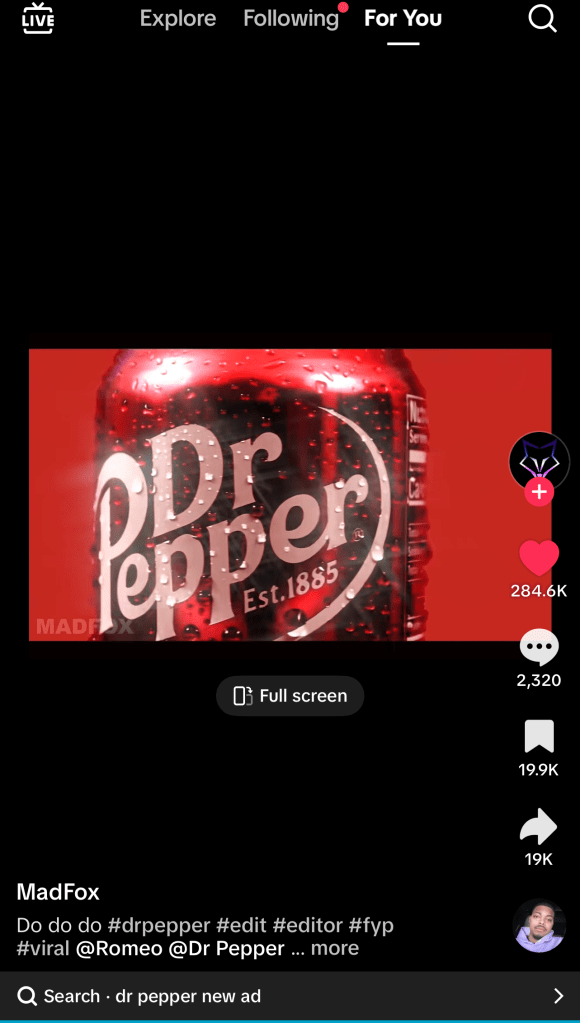
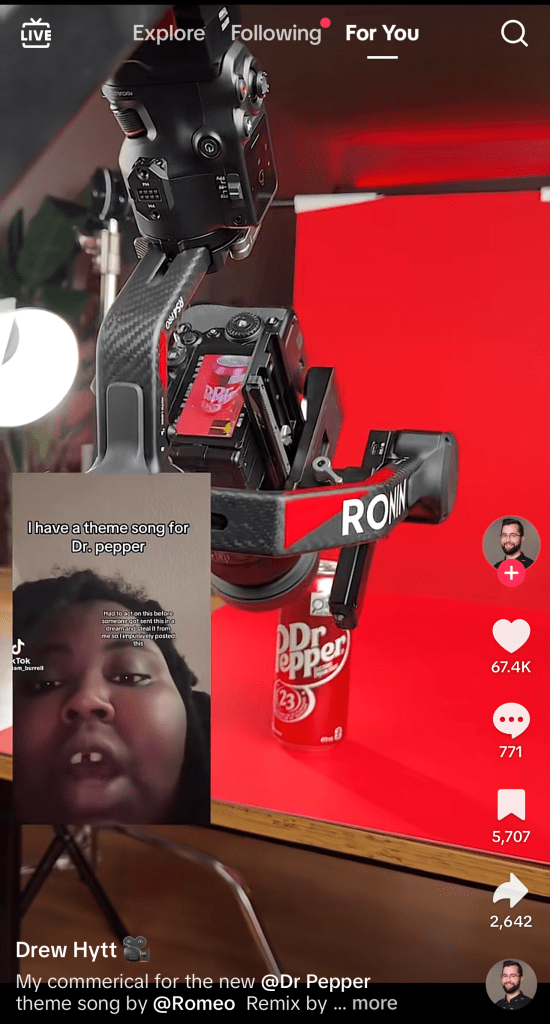
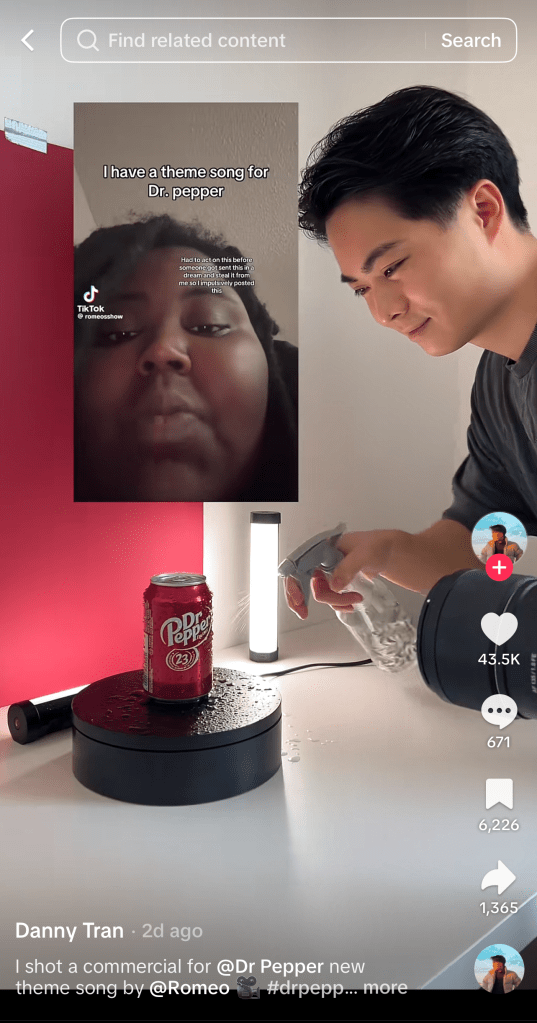
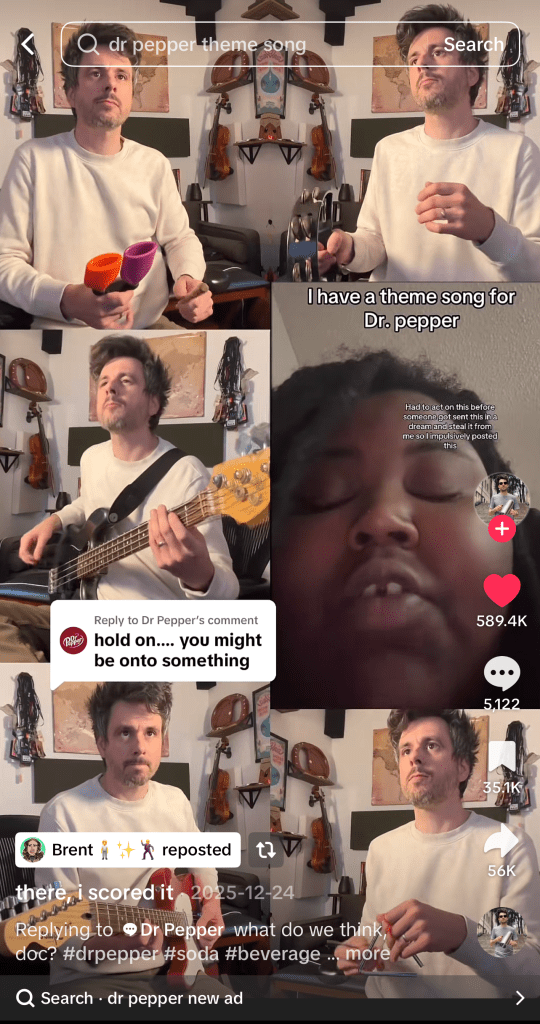
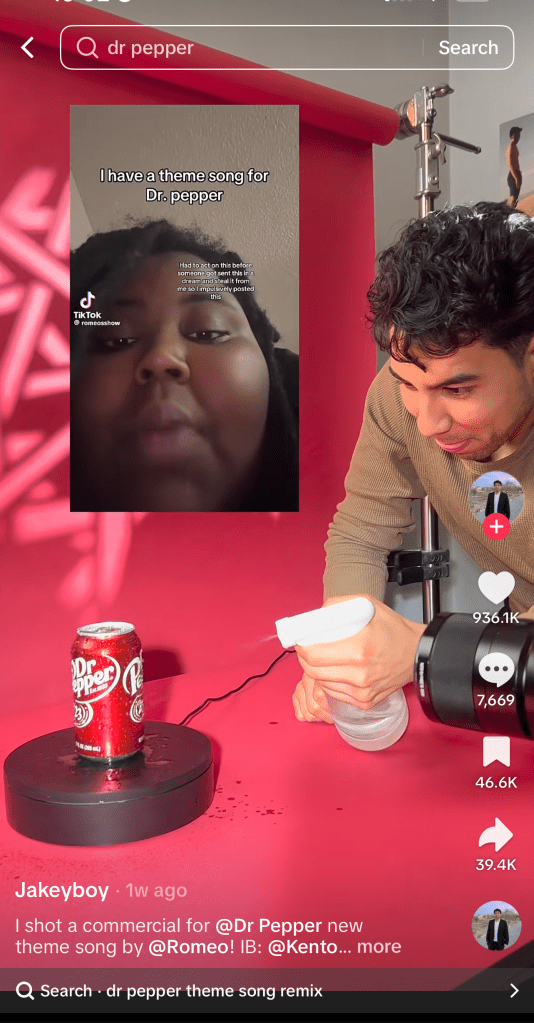
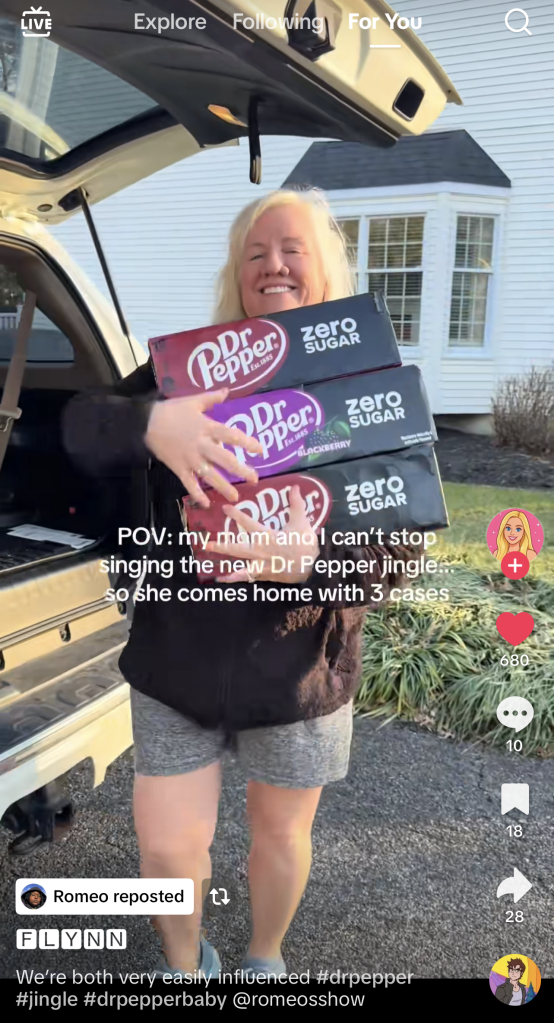
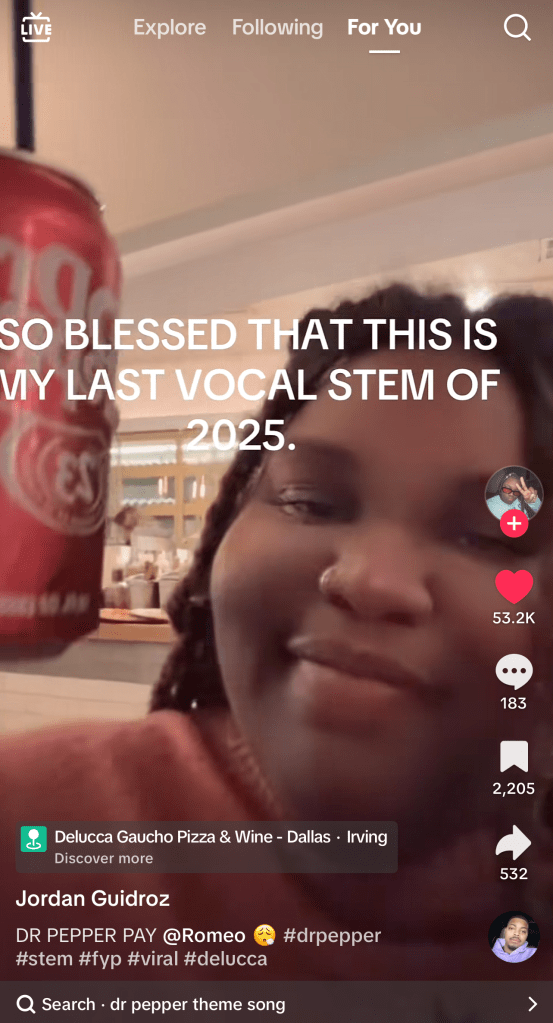
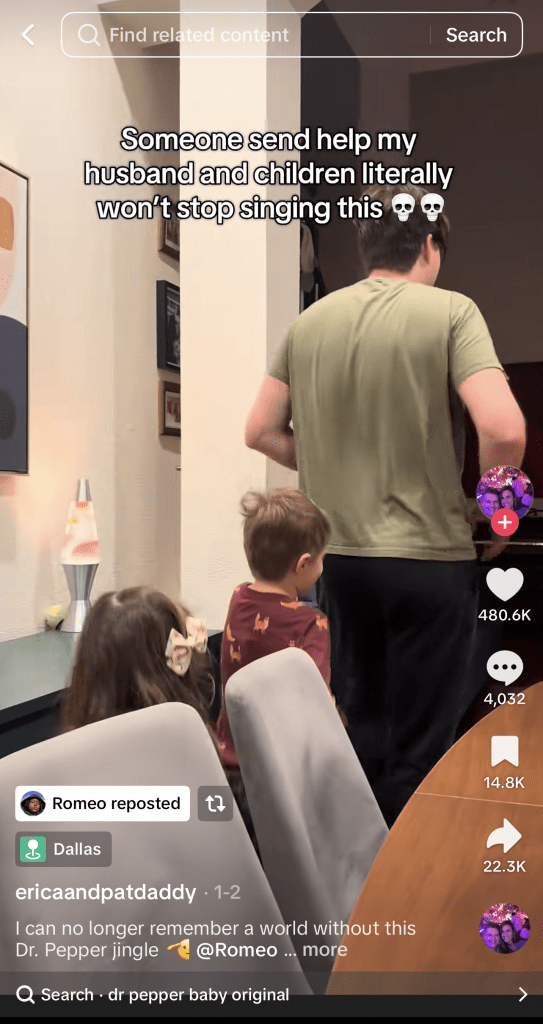
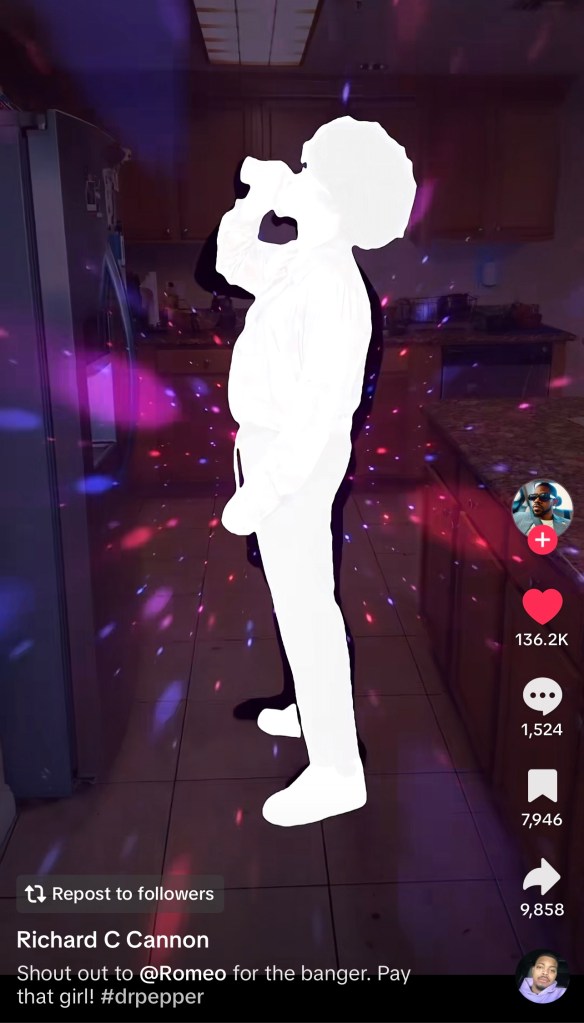
Screenshots from public TikTok posts, creators credited.
People were showcasing their skills, building their portfolios, or simply having fun. Fun that started with one simple jingle and turned into collective momentum.
This wasn’t imitation. It was contribution.
Why It Worked
This trend didn’t grow by accident. Several psychological effects quietly worked together to make it spread.
1. Cognitive Ease and Catchiness
The jingle was extremely easy to process. Short, repetitive, and familiar-sounding- the kind of thing the brain doesn’t have to work hard to understand.
This is known as cognitive ease: when something feels simple and familiar, our brains are more likely to like it, remember it, and repeat it. Content that requires low mental effort is more likely to spread because it feels comfortable and rewarding to engage with (Shopify, Cognitive Ease; Conversion Uplift, Cognitive Ease Glossary).
Catchy music works in a similar way. Repetition, simple melodies, and predictable rhythms make songs harder to forget – even when we want to (The Sticky Brand Lab, What Makes a Song Catchy?).
2. Social Permission and Play
The jingle started as a joke. That mattered.
Because it wasn’t polished or overly serious, people felt socially permitted to join. Humor lowers the perceived risk of participation – it signals that this is play, not performance.
When people feel safe to experiment without being judged, they are more likely to participate creatively. Social permission reduces cognitive load and removes the fear of “doing it wrong,” making contribution feel accessible (Sustainability Directory, Social Permission Structure).
3. Creative Scaffolding
The original jingle acted as a scaffold- a simple structure that supported further creativity without dictating the outcome.
Creative scaffolding works because it provides just enough guidance to get started, while still leaving room for interpretation and expansion. In this case, the jingle gave creators a base they could build on in their own way (It’s Lit Teaching, Scaffolding in Creative Writing).
4. Open Loops and the Need for Closure
There’s one more subtle effect at play here: the jingle didn’t feel finished.
Humans have a natural tendency to want to close open loops. When a story, melody, or idea feels incomplete, our brains itch to resolve it. This psychological pull makes people more likely to engage- to add the missing piece, finish the tune, or “complete” the idea themselves.
The open-ended nature of the jingle invited participation not just creatively, but cognitively.
Once momentum builds, timing becomes everything- especially for brands.
When a Brand Notices, but Doesn’t Join
Dr Pepper did notice the trend. The brand commented early, acknowledging the original video and signaling awareness.
That acknowledgment helped boost visibility – but it stopped there.
On TikTok, awareness alone isn’t enough. The platform doesn’t reward brands for watching culture happen; it rewards brands that participate in it. Commenting shows presence, but contribution is what extends momentum.
This wasn’t absence. It was partial presence.
And on a platform that moves this fast, partial participation often means missed opportunity.
What Participation Can Look Like
We’ve seen brands do this well.
Brands like Duolingo, Ryanair, or Cards Against Humanity treat TikTok as a conversation – not a broadcast channel. They engage with users in a playful, human way, often making fun of themselves and responding creatively rather than formally.
They don’t just acknowledge moments. They join them.
What Smaller Brands Can Learn From This
So how can a smaller brand leverage this kind of momentum and potentially create a trend of its own?
When we look at what happened here- a simple, funny video turning into a larger movement- a clear pattern emerges. It’s a pattern we see across many TikTok trends.
1. Start With Something Reusable
Simple – so people can easily build on it without overthinking
Repeatable – easy to recreate without extra effort
Open-ended – open endings invite people to add their own parts and “finish” the idea
2. Leave Space for Others
Don’t overproduce – let users do their part
Invite remixing – make it clear others can freely use your idea
Let go of control – good things need time to brew and breathe
3. Show Up Early – and Light
Timing over perfection – aim for real and relatable, not flawless
Contribution over commentary – don’t just comment; contribute. Repost, encourage, send a thoughtful promo package, amplify the community
Be part of it, not above it
Conclusion
This wasn’t about a brand win or loss. It was a beautiful showcase of creativity and community.
TikTok is a creative space where one small spark can create a fire. It’s a shared creative space with huge potential – if understood and approached with care.
And sometimes, even when we try to understand how trends work, we can’t replicate them.
Because some of the most powerful moments can’t be planned – only invited.
So I invite you to create :)
Update:
Since this article was published, Dr Pepper has officially turned the viral TikTok jingle into a national TV commercial, airing during the College Football Playoff National Championship. While some brands reacted to the trend almost instantly on social platforms, Dr Pepper took a slower – and ultimately more deliberate – route. The brand licensed the original creator, preserved the simplicity of the hook that made it work in the first place, and translated a TikTok-native idea into mass media without overproducing or sanitising it.
This delay doesn’t contradict how TikTok creativity works – it reinforces it. Trends may emerge fast, but meaningful brand execution still requires time: legal clearance, creator agreements, media planning, and strategic restraint. What matters isn’t speed alone, but understanding why something resonates and resisting the urge to “improve” it. In this case, Dr Pepper didn’t invent the idea, they recognised it, respected its psychology, and scaled it thoughtfully.
Refferences
Heather (n.d.) Scaffolding in the creative writing classroom. It’s Lit Teaching. Available at: https://itslitteaching.com/scaffolding-in-the-creative-writing-classroom/ (Accessed: 11 January 2026).
Lifestyle & Sustainability Directory (n.d.) Social permission structure. Available at: https://lifestyle.sustainability-directory.com/term/social-permission-structure/ (Accessed: 11 January 2026).
Shivkiran (n.d.) What makes a song catchy? The Sticky Brand Lab. Available at: https://themystickeys.com/what-makes-a-song-catchy/ (Accessed: 11 January 2026).
Conversion Uplift (n.d.) Cognitive ease. Available at: https://conversion-uplift.co.uk/glossary-of-conversion-marketing/cognitive-ease/ (Accessed: 11 January 2026).
Shopify Staff (n.d.) Cognitive ease: Why simplicity sells. Shopify. Available at: https://www.shopify.com/blog/cognitive-ease (Accessed: 11 January 2026).
 Barbora Cizkovska
Napsat komentář